Scroll to read ↓
2026 · Smart India Hackathon 2026, SIH26189, Ministry of Home Affairs
ARGUS
Criminal network analysis for cybercrime investigators
The problem
Cybercrime complaints arrive one at a time and get worked one at a time. The organisation behind them stays invisible, because nobody is looking at the complaints as a single connected object.
Approach
- Reframe the unit of investigation from the individual complaint to the network it belongs to.
- Extract entities from unstructured complaint text in two tiers: regex for the high-precision identifiers, spaCy NER for everything else.
- Load the extracted entities into Neo4j as a graph, then let graph algorithms rather than analysts find the structure.
- Keep the evidence trail tamper-evident, because an investigation that cannot survive court is not an investigation.
What I built
- A four-service platform: React frontend, Node and Express API, FastAPI intelligence service, and a Solidity contract layer.
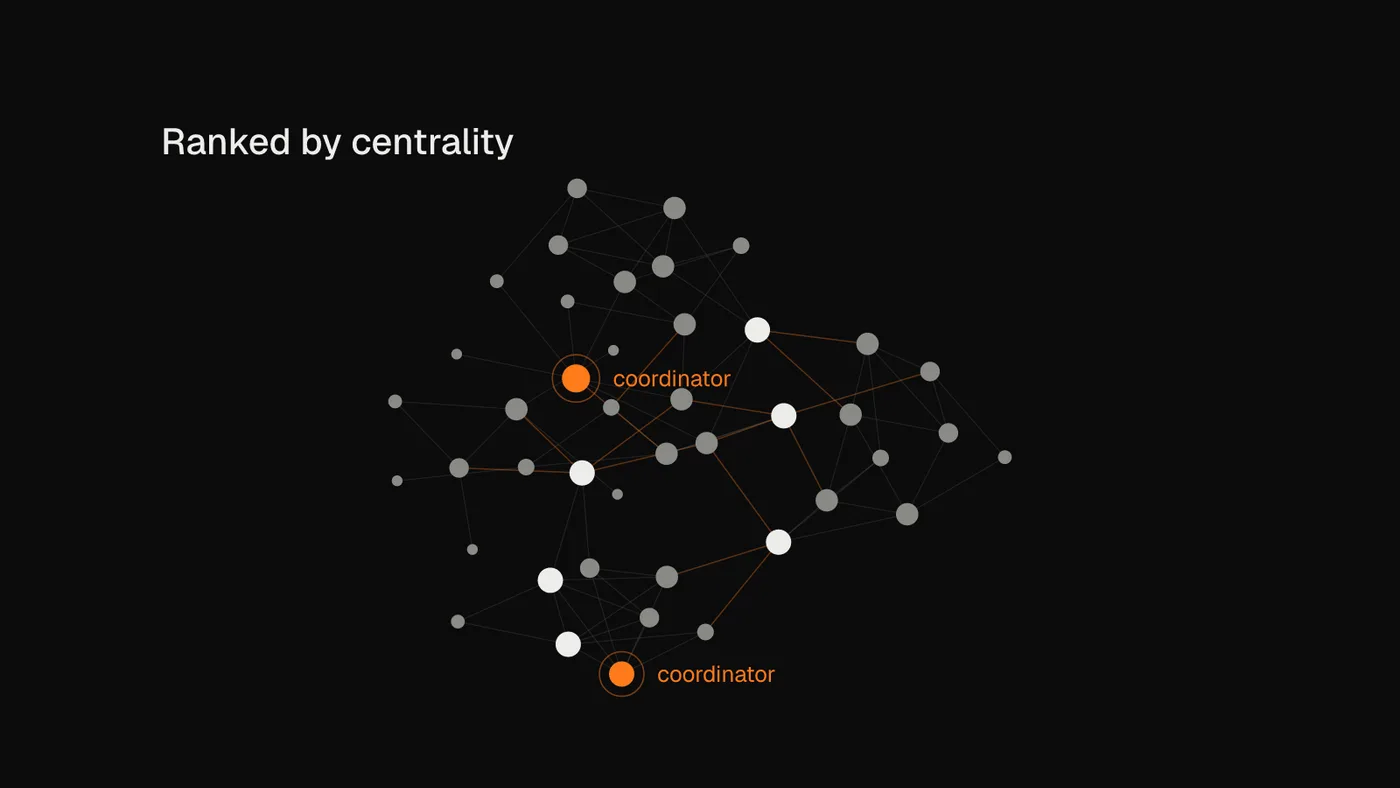
- A two-tier NLP pipeline feeding a Neo4j graph that runs Louvain community detection plus PageRank and betweenness centrality, surfacing coordinators who never contact a victim directly.
- A blockchain-backed evidence custody system on Solidity, Hardhat and OpenZeppelin with an append-only, court-auditable verification history, covered by a 17-case test suite.
- A role-gated React and Cytoscape.js interface enforcing four-tier RBAC end to end.
Outcome
Coordinators with no direct victim contact surface algorithmically, from centrality in the graph rather than from anything in their own complaint record.
Medium
- Neo4j
- spaCy
- FastAPI
- Solidity
- React
- PostgreSQL